The pre-dawn hours of Tuesday, April 7, 2026, were marked by a tragedy that has left the community of Hayden, Alabama, in mourning. The sequence of events began on one of the busiest arteries in the state: Interstate 65 South. At approximately 5:27 a.m., as the first wave of morning commuters began their trek into the heart of Birmingham, a routine two-vehicle collision occurred near the 17th Street North exit.
According to reports from the Birmingham Police Department and the Alabama Law Enforcement Agency (ALEA), the initial crash involved two passenger vehicles. While the specific cause of this first collision is still under review—whether attributed to a sudden lane change, following too closely, or a mechanical failure—the impact was significant enough to disable the vehicles but minor enough that both drivers were initially able to navigate their cars toward the sides of the high-speed roadway.
However, a critical and unfortunate variable emerged in those chaotic seconds following the impact: the two vehicles came to rest on opposite shoulders of the interstate. One vehicle pulled to the far right emergency lane, while the other ended up against the left median wall. This geographical split created a lethal “no-man’s land” of active, high-speed traffic lanes between the two parties involved.
The Fatal Decision: A Vulnerable Pedestrian on a High-Speed Thoroughfare
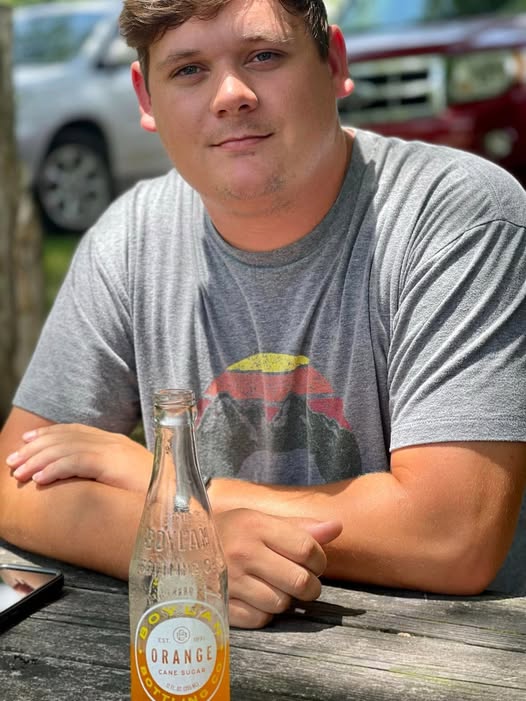
The victim has been identified by Chief Deputy Coroner Bill Yates of the Jefferson County Coroner’s Office as 28-year-old Chase Alan Murray. Murray, a resident of Hayden, was the driver of one of the vehicles involved in the initial 5:27 a.m. crash.
In the immediate aftermath of a collision, adrenaline and shock often impair a driver’s judgment. Investigators believe that after successfully moving his vehicle to the shoulder, Murray exited his car. Whether he intended to assess the damage to his own vehicle, check on the well-being of the other driver, or exchange insurance information, Murray made the fateful decision to attempt to cross the active lanes of Interstate 65 on foot.
Interstate 65 at the 17th Street North exit is a multi-lane corridor where the speed limit is 60 mph, though actual traffic speeds during the early morning often exceed that. At 5:27 a.m., the sky was still dark, and visibility was limited to the reach of vehicle headlights. For an oncoming driver, a pedestrian on the roadway is an almost impossible obstacle to anticipate.
As Murray stepped into the path of travel, he was struck by an oncoming vehicle that was not part of the original accident. The force of the impact was catastrophic. Despite the rapid arrival of Birmingham Fire and Rescue and local police, the injuries Murray sustained were insurmountable. He was tragically pronounced deceased at the scene at 6:03 a.m., less than forty minutes after the initial minor accident.
The Anatomy of a “Secondary Crash”: A Growing National Concern
The death of Chase Murray is a textbook example of what safety experts call a secondary crash. These are incidents that occur as a direct or indirect result of a prior incident on the roadway. Statistics from the National Highway Traffic Safety Administration (NHTSA) indicate that secondary crashes are often far more lethal than the primary accidents that precede them, largely because they involve “unprotected” individuals—pedestrians who have exited their vehicles.
In the Birmingham area, the stretch of I-65 near the 17th Street North exit is particularly hazardous due to its proximity to major interchanges and the frequent merging of traffic. When a driver exits their vehicle in this environment:
-
Visibility is Compromised: Drivers are looking for the brake lights of the car ahead, not a person walking across lanes.
-
Speed Disparity: The difference between a human walking (3 mph) and a car driving (70 mph) leaves zero room for error.
-
The “Safety Fallacy”: Many drivers feel a false sense of security once they have successfully “pulled over,” forgetting that the shoulder is merely a few feet away from high-velocity impact.
Investigation and Legal Oversight: Seeking Accountability
The Birmingham Police Department’s Accident Reconstruction Team has been tasked with the difficult job of mapping the morning’s events. The investigation is currently proceeding along three primary tracks:
-
Reconstructing the First Collision: Detectives are analyzing the damage to the two original vehicles to determine who was at fault for the 5:27 a.m. crash. This includes checking for signs of distracted driving or mechanical failure.
-
The Third Driver: The individual who struck Murray remained at the scene and has cooperated fully with authorities. Investigators are evaluating whether speed, impaired visibility, or lighting played a role. At this stage, no criminal charges have been filed against this driver, as Murray was legally prohibited from being a pedestrian on the interstate.
-
Toxicology and Forensics: As is standard in all fatal accidents in Jefferson County, the Coroner’s Office will perform a toxicology screen on the deceased to rule out any contributing factors.
A Community in Mourning: The Life of Chase Alan Murray
Chase Murray was a young man in the prime of his life. A resident of Hayden, Alabama—a close-knit community in Blount County—Murray is being remembered by friends and family as a kind-hearted and hardworking individual. At 28 years old, he was part of a generation of Alabamians building their futures in the Birmingham metro area.
Tributes have begun to pour in on social media, with friends describing Chase as someone who was always willing to lend a hand—a trait that may have ironically contributed to his decision to exit his vehicle to assist or communicate with the other driver involved in the crash. The suddenness of his death has left the Hayden community in shock, as a routine Tuesday morning commute ended in an unthinkable tragedy.
The Critical Safety Message: Stay in the Car
Authorities in Jefferson County are using this heartbreaking incident as a platform to remind the public of the “Stay in the Car” protocol. Law enforcement emphasizes that if you are involved in a crash on a high-speed roadway:
-
Stay Buckled: The interior of your car is a “safety cage.” Even if your car is struck again while parked on the shoulder, your seatbelts and airbags offer your only chance of survival.
-
Hazard Lights and 911: Immediately turn on your hazard lights and call 911. Inform the dispatcher if you are on opposite sides of the road so they can send enough units to secure both shoulders.
-
Never Cross Lanes: Under no circumstances should a motorist attempt to walk across an active interstate. If information needs to be exchanged, it should be done after law enforcement has arrived and utilized their emergency lights to “calm” the traffic flow.
Summary of the I-65 Fatality
| Category | Detail |
| The Deceased | Chase Alan Murray, 28, Hayden, AL |
| Initial Crash Time | Tuesday, April 7, 2026, at 5:27 a.m. |
| Pronouncement Time | 6:03 a.m. at the scene |
| Location | I-65 South near 17th Street North Exit, Birmingham |
| Fatal Factor | Struck by oncoming vehicle while crossing lanes on foot |
| Investigation Status | Active; led by Birmingham PD & Jefferson County Coroner |
The death of Chase Alan Murray serves as a somber, permanent reminder of the unpredictable dangers of our highway systems. As the investigation continues to finalize the reconstruction of the accident, the focus remains on supporting a grieving family and ensuring that commuters across Alabama understand the lethal risks of stepping onto the interstate. Further updates on the final accident report will be released as they become available from the Jefferson County authorities.
Leave a Reply