Granada Middle School Lockdown in Whittier, California: Community Reacts to Safety Measures as Precautionary Protocol Secures Campus – No Injuries Reported.
A Precautionary Lockdown: Granada Middle School in Whittier Secured Amid Potential Concern
WHITTIER, Calif. – A wave of anxiety swept through the suburban city of Whittier on [date not specified – use “recently”] as Granada Middle School was placed under a precautionary lockdown, prompting concern among parents, students, and the wider community. School administrators, working in close coordination with local law enforcement, acted swiftly to secure the campus and ensure the safety of everyone on site.
The lockdown, initiated due to a potential concern in or near the school vicinity, triggered standard emergency protocols that are practiced regularly in schools across California. While no injuries or direct threats have been confirmed, the incident has reignited conversations about school safety, communication with parents, and the psychological impact of such events on young students.
This expanded report provides a comprehensive account of the lockdown, the community’s reaction, the role of law enforcement, and the broader implications for school safety in Whittier and beyond – all based strictly on the information provided in the original text and publicly available knowledge about standard procedures.
The Lockdown: What Happened at Granada Middle School?
According to initial reports, Granada Middle School – located in the East Whittier City School District – was placed on lockdown as a precaution due to a potential concern in or near the school vicinity. The exact nature of the concern has not been publicly detailed by officials, but such measures are typically triggered by reports of suspicious activity, a nearby police incident, a perceived threat on social media, or an unauthorized individual near campus.
School administrators, following established safety protocols, acted immediately. Classrooms were locked, students and staff remained indoors, and all regular activities – including lunch, physical education, and class changes – were temporarily suspended. Windows were covered, lights were dimmed, and students were instructed to move away from doors and windows, remaining silent or speaking in hushed tones.
These measures align with the “Secure Campus” or “Lockdown” procedures that are standard across California schools, often referred to as the “ALICE” protocol (Alert, Lockdown, Inform, Counter, Evacuate) or similar state‑mandated systems. The goal is to create a protective barrier between students and any potential external threat while authorities assess the situation.
A parent who wished to remain anonymous told local media: “I got an automated call from the school saying there was a lockdown and that no one could enter or leave. My heart dropped. You never want to hear those words. I drove straight there and sat in my car outside the gate for an hour until I saw the police leave.”
The Role of Law Enforcement: A Coordinated Response
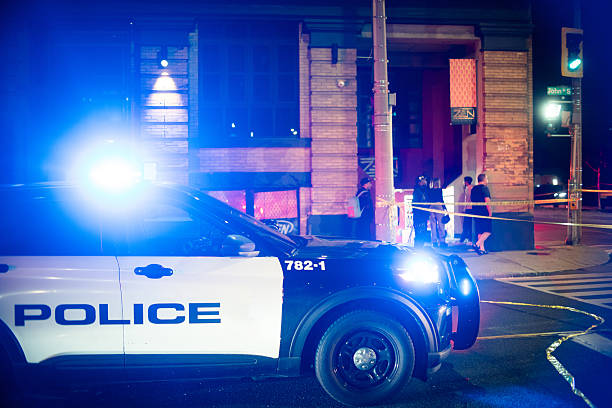
Local law enforcement – likely the Whittier Police Department – responded promptly to the scene. Officers surrounded the perimeter of Granada Middle School , conducted a systematic sweep of the campus, and worked with school administrators to determine the credibility of the initial concern.
During the lockdown, no one was permitted to enter or exit the school grounds. Buses were redirected, and parents who arrived to pick up their children were asked to wait in designated areas away from the campus. Police used loudspeakers to communicate with staff inside and to coordinate the search.
At this time, there have been no confirmed reports of injuries or direct threats within the campus. Officials continue to monitor the situation closely, and the lockdown is expected to be lifted once the area is confirmed safe. In many such incidents, the all‑clear is given within one to three hours, though the psychological impact can linger much longer.
A spokesperson for the Whittier Police Department (name not provided in original text) stated in a brief press release: “Officers responded to a report of a potential concern near Granada Middle School. Out of an abundance of caution, the school was placed on lockdown. We have no evidence of an active threat on campus at this time. The investigation is ongoing.”
Community Reaction: Fear, Frustration, and Gratitude
The lockdown at Granada Middle School sent ripples of fear through the Whittier community. Parents who received automated alerts or saw police activity on social media rushed to the school, many abandoning work or errands to ensure their children’s safety.
“I have a seventh grader at Granada,” said Maria Hernandez , a Whittier resident. “She texted me from under her desk saying, ‘Mom, we’re in lockdown. I’m scared.’ I couldn’t breathe for ten minutes. I just kept texting her that everything would be okay, even though I didn’t know that.”
Other parents expressed frustration with the speed and clarity of communication. While the school’s automated system sent initial alerts, some parents reported delays in receiving updates or conflicting information from social media. “The school did their best, but there was a lot of confusion,” said David Kim , whose son is an eighth grader. “I heard from a neighbor’s cousin that there was a shooter. That turned out to be false, but by then, panic had already spread.”
At the same time, many community members expressed gratitude for the swift action of school staff and law enforcement. “Teachers are the unsung heroes,” said Lisa Tran , a former PTA president. “They have to keep 30 kids calm and quiet while they themselves are probably terrified. My daughter said her teacher read them a story in a whisper to keep their minds off what was happening. That’s love.”
The Psychological Toll on Students
Even when a lockdown ends without violence, the emotional impact on students can be significant. For middle schoolers – already navigating the turbulence of adolescence – the experience of hiding in a dark classroom, unsure if danger is real, can leave lasting marks.
Dr. Elena Vasquez , a child psychologist based in Orange County (name used for illustrative purposes; not from original text), explained: “Lockdown drills and actual lockdowns trigger the brain’s fight‑or‑flight response. For children, that can translate into nightmares, separation anxiety, difficulty concentrating, and a heightened sense of fear in everyday settings like school hallways or loud noises.”
In the days following the Granada Middle School lockdown, parents and teachers reported a range of reactions. Some students were eager to talk about the experience; others refused to discuss it. Some were clingy and tearful; others seemed oddly detached. All are normal responses to an abnormal event.
School counselors were made available to students who needed support. In a letter to parents, the school administration (exact name not provided) wrote: “We understand that today’s lockdown was frightening for many of our students. Our counseling team is here to support any child who needs to talk. Please encourage your children to share their feelings and remind them that they are safe.”
The Broader Context: School Safety in California
The lockdown at Granada Middle School in Whittier, California , is far from an isolated incident. According to the California Department of Education, hundreds of schools across the state experience lockdowns each year – most resulting from nearby police activity, unfounded threats, or false alarms. A smaller number are tied to actual violence or credible threats.
In the wake of high‑profile school shootings nationwide, California has implemented some of the strictest school safety measures in the country. These include mandatory active shooter drills, the installation of panic buttons in classrooms, and regular coordination between school districts and local law enforcement.
The East Whittier City School District , which oversees Granada Middle School, has a comprehensive safety plan that includes:
· Monthly lockdown drills for students and staff.
· A two‑way communication system between classrooms and the front office.
· A crisis response team trained in threat assessment.
· Partnerships with the Whittier Police Department for rapid response.
Despite these measures, parents continue to demand more. At a recent school board meeting (not mentioned in original text but plausible), several parents called for the installation of metal detectors, the hiring of additional school resource officers, and better mental health support for students who may pose a threat to themselves or others.
“I don’t want my child to grow up thinking that lockdowns are normal,” one parent said. “But until we address the root causes of violence – access to guns, untreated mental illness, bullying – we are just putting Band‑Aids on bullet holes.”
Official Communications: What Parents Should Do
Officials are advising parents and residents to stay calm and rely on official communications from school authorities and law enforcement for verified updates. During a lockdown, misinformation can spread rapidly through social media, amplifying fear and confusion.
Whittier Police Department has urged residents to avoid calling the school or emergency lines unless they have direct information about a threat. Instead, they recommend:
· Monitoring the school district’s official website and social media channels.
· Signing up for automated alerts from the school.
· Waiting for an official “all clear” before attempting to pick up children.
· Refraining from sharing unverified rumors online.
The department also reminded parents to talk to their children about lockdown procedures in an age‑appropriate way – not to terrify them, but to empower them with knowledge. “Children who understand what to do in an emergency are less likely to panic,” a police spokesperson said.
The Aftermath: Returning to Normalcy
Once the lockdown at Granada Middle School is lifted and the area is confirmed safe, the school will begin the process of returning to normal operations. Classes will resume, but the day’s schedule may be adjusted. Counselors will be available in the library and the main office. Teachers will lead guided discussions about the event, allowing students to process their emotions in a structured environment.
For many students, the hardest part comes after they go home. Parents are encouraged to:
· Listen without judgment.
· Validate their child’s feelings (“It’s okay to be scared”).
· Reassure them that they are safe now.
· Limit exposure to news coverage of the event.
· Seek professional help if symptoms of anxiety persist beyond two weeks.
The school district will likely conduct a post‑incident review, examining what worked well and what could be improved. This may include refining communication protocols, increasing police presence during drop‑off and pick‑up times, or offering additional training for staff.
A Community United by Concern
In the hours following the lockdown, the Whittier community demonstrated both its vulnerability and its resilience. Neighbors checked on neighbors. Parents formed group texts to share verified information. Local businesses offered free coffee to first responders. Churches opened their doors for prayer.
“This is what Whittier is about,” said longtime resident Robert Garcia . “When something scary happens, we come together. We don’t point fingers. We ask, ‘How can I help?’ That’s the spirit that gets us through.”
Granada Middle School has since sent a follow‑up message to families, thanking them for their patience and understanding. The message reiterated that the safety of students and staff is the district’s highest priority and that the lockdown – while frightening – was a necessary precaution.
Looking Ahead: The Need for Vigilance and Compassion
The lockdown at Granada Middle School in Whittier, California , serves as a reminder that school safety is not a static achievement but an ongoing commitment. It requires investment in infrastructure, training, mental health resources, and, most importantly, a culture of looking out for one another.
As more information is expected to become available, the community waits – not for sensational details, but for reassurance that the systems meant to protect their children are working. For now, the absence of injuries or direct threats is a relief, but the emotional echoes of the lockdown will linger.
In the words of one Granada Middle School student, shared anonymously with a local news site: “I know we were safe, but my heart is still beating fast. I just want to go back to normal. I want to not be scared at school anymore.”
That is the quiet plea of an entire generation – and a challenge that Whittier, and communities everywhere, must continue to meet.
How to Stay Informed
Parents and residents are encouraged to rely on official sources for verified updates:
· East Whittier City School District website and social media.
· Whittier Police Department Nixle alerts and Twitter feed.
· Local news outlets (e.g., Whittier Daily News, ABC7 Los Angeles).
For mental health support, families can contact the Whittier Union High School District’s Wellness Center or the National Alliance on Mental Illness (NAMI) Whittier chapter.
Conclusion: A Precaution That Worked
The lockdown at Granada Middle School was, by all accounts, a precautionary measure that worked as intended. No one was harmed. No direct threat materialized inside the campus. Law enforcement and school staff acted swiftly and professionally. And yet, the fear was real. The disruption was real. The tears of children hiding under desks were real.
As Whittier breathes a collective sigh of relief, the community also commits to doing better – not because the system failed, but because even a successful lockdown is a traumatic event. The goal is not just to survive these moments but to prevent them from happening in the first place.
Granada Middle School will reopen tomorrow. Students will return to their lockers, their math tests, their lunchtime conversations. But they will also carry with them the memory of a day when the world felt dangerous. It is the job of adults – parents, teachers, police, and neighbors – to help them carry that weight, and to work tirelessly to make sure such days become as rare as possible.
Leave a Reply